Woolriner
A century of America's strangest real estate opportunity, via interviews and film clips

“There was a time early on, come a mighty storm, that the spears and forks of lightning would stab and whirl almost always over and around the house. The white-hot forks of it danced, but they never once did it a stick of harm. Nor did they dance anywhere else on those nights. Only across the house, as if daring its rooms to wake up and respond.” — A History of Groverton, 1888–1988, Richard Stobb (Northeast Originals, 1990)
“It was just the house then. Nobody named Marsten Ainsley Woolriner had purchased it yet. Nobody by that name and his family had done the things that were done in it after they arrived. Not yet. It is possible that the house drew them there. It is possible that the house needed something. If it did, it got what it wanted. And then, it was the Woolriner House after that. Forever.” — A History of Groverton, 1888–1988, Richard Stobb (Northeast Originals, 1990)
“The university bought the property near the end of the decade. This was after the Woolriners were dead. It held the place, virtually untouched, for some time. And then one day, the provost appeared with a fire marshal, and the Woolriner House entered a period of renovation. This proved an ongoing hardship for the university. The secretaries did not like to work there. The administrators complained they could not keep the staff. After a time, the house was empty again. The school used it for storage.” — A History of Groverton, 1888–1988, Richard Stobb (Northeast Originals, 1990)
“Fires plagued the place. After the second time, the university removed all its records and belongings from the Woolriner House. It shuttered the building entirely in ‘47, and the Woolriner remained that way for nearly forty years.
“Except, about twenty years into that spell, the house again figured in town doings. Three high-school boys claimed to have broken into it—this would have been the winter of 1967. At some point, the boys seemed to have left the Woolriner, wandered outside, and gotten lost in the woods around the place. Or somewhere abouts. Their stories never squared up, to be clear.
“In any case, all three appeared two days later in their beds, soaked with sweat and freezing to the touch. Doctors came. The police came to talk with them. The boys became minor celebrities for a week or two. To a one, they said they could not remember getting lost or even being inside the house. All three had recurrent fevers after that. All three moved away, following graduation. As far as I know, even when they came back to visit their families in Groverton, none of those boys ever set foot on the Woolriner property again.”
— A History of Groverton, 1888–1988, Richard Stobb (Northeast Originals, 1990)
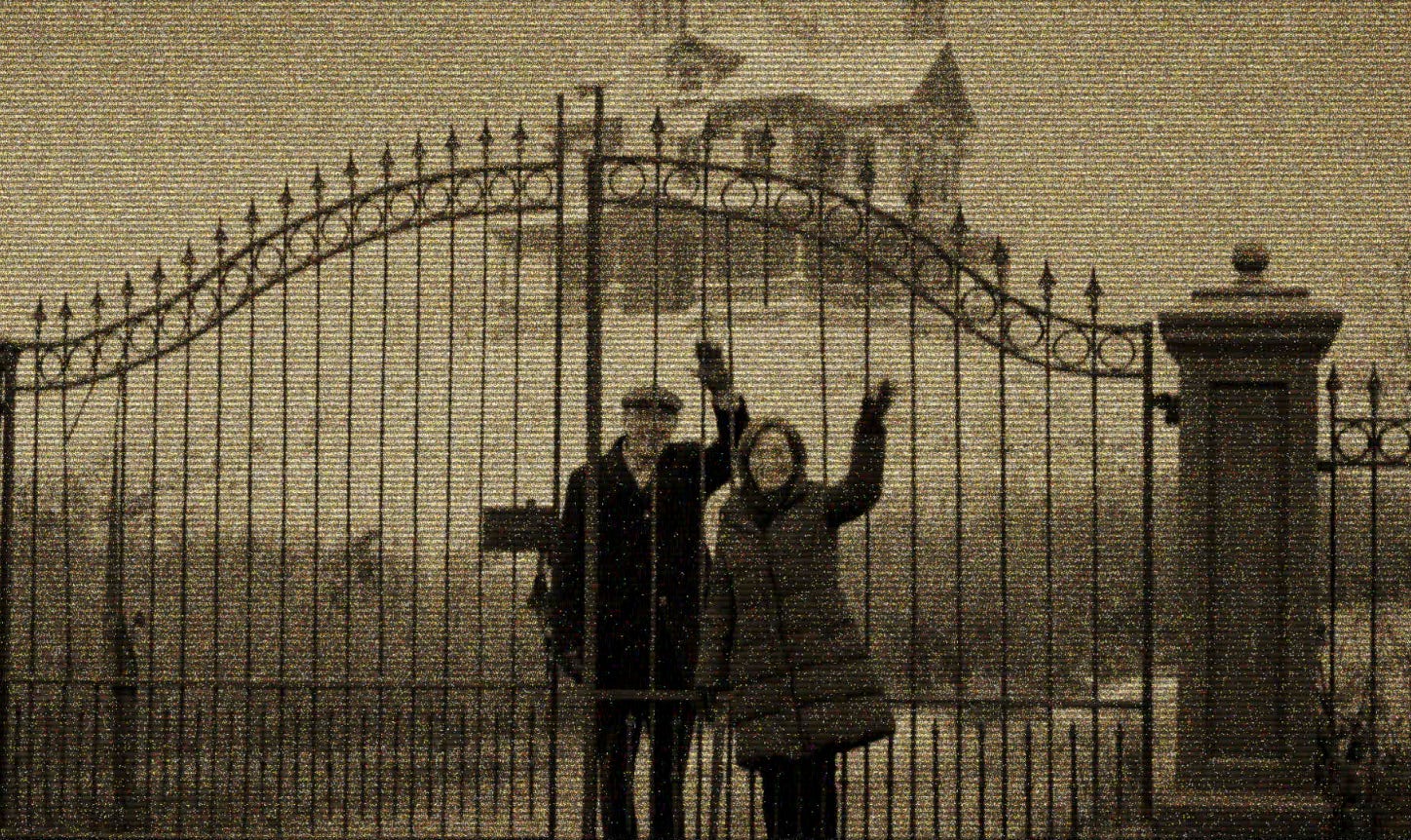
“Now, in 1987, Abigail and Chester Frankson purchased the Woolriner. They planned to run an inn. When asked if they thought their bed and breakfast could overcome the house’s reputation, the Franksons said the stories about the Woolriner House were precisely their reason for buying it. They seemed to fancy themselves ghost hunters, or some such.
“Anyway, before they’d barely gotten settled, Chester Frankson died. He tipped over right in front of the Woolriner, shoveling out the road in the dark. It was at night while Abigail was sleeping. She discovered him in the morning.
“The coroner said Chester died of a heart attack. That whole thing just kind of came and went. I don’t think anyone ever really dug into it much. They were outsiders, naturally. And no one ever saw Abigail in Groverton again.”
— A History of Groverton, 1888–1988, Richard Stobb (Northeast Originals, 1990)
“About eleven years later, this was around the end of 2008, an old man appeared at town hall. He said his name was Woolriner. He presented what he said was a deed of ownership to the Woolriner House—all of it, plus the road and grounds.” — A History of Groverton, 1888–2018, Nick Stobb (Vacationland Press, 2019)